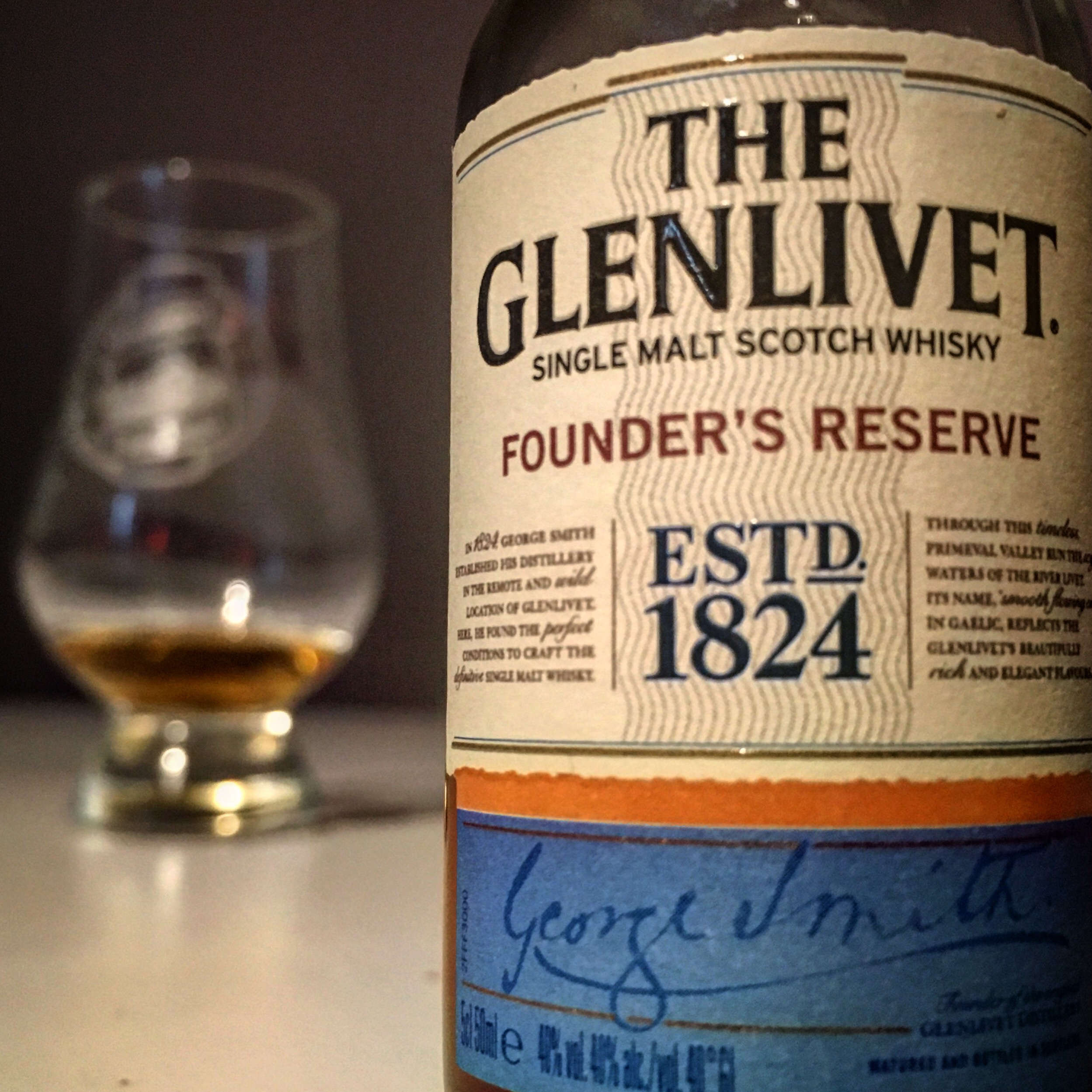

Smith o’ Glenlivet
The Glenlivet Distillery was founded in 1824 in a remote glen, known to be a favourite of illicit distillers. It was one of those distillers, a man by the name of George Smith, that purchased a distilling license in the wake of the 1823 Excise Act. His decision didn’t go down too well with the other distillers in the glen, however. Many of them viewed the excise laws as government interference, from an English parliament no less, in local affairs and they took great pleasure in ignoring them. To those men and women, Smith was a traitor that had to be opposed. Such was the hostility towards him, Smith was persuaded by the local Laird to carry a set of pistols with which to defend himself should the time come.
Smith’s Glenlivet was a massive success and many of his supposed enemies were eventually persuaded to follow in his wake. Before long, dozens of distilleries were producing so-called ‘Glenlivet‘ whisky. By the time Smith’s son was running the family business, it had become such a problem that he was forced to take the matter to the courts. In 1878, it was ruled that Smith’s original distillery would be known as The Glenlivet, while his competitors could only use the name in a hyphenated form (Aberlour-Glenlivet, Tamdhu-Glenlivet etc).
Today, The Glenlivet is one of the biggest whisky brands in the world, even (briefly) overtaking Glenfiddich in 2015 as the number one selling single malt. The recent decision to remove their flagship 12-year-old expression was met with much criticism, however, with many suspecting its replacement, the no age statement ‘Founder’s Reserve‘ to be an inferior product. But is it?

Smell: Some delicate fruits, orange and lemon. Apple and pear. Some floral honey. Vanilla. Caramel. Malt.
Taste: Caramel and honey, toffee and fudge. Also creamy vanilla and fresh fruit in the form of green apples, pears, lemon and even getting some white grapes.
Thoughts: The trend towards no-age-statement bottlings isn’t a popular one and The Glenlivet is perhaps the most high-profile name to make the change. For my part, I always try to keep an open mind. I must admit, however, that I believe removing the 12-year-old from the UK market to be a mistake and something of a kick in the teeth to the loyal customers that bought it again and again for many years.
Where The Glenlivet brand is concerned, I can’t claim to be its biggest fan but I appreciate the significance of it and respect its success. Scotch whisky needs the big brands to spread the good word across the world. In terms of flavour, however, it just doesn’t do much for me. It’s too delicate, too gentle. I could appreciate the 12-year-old for its qualities, however.
That’s not something I can really say about the Founder’s. It isn’t awful. To be awful it would have to taste bad and I don’t think it carries any flavour bold enough to be considered bad – a better word is bland. You expect subtlety from a light Speyside but this takes the premise to extremes. It’s like they’ve tried to strip it of anything that could resemble character.
Certainly it’s priced as a bargain but I think there are blends of a similar price point that offer a more entertaining mouthful.
Maybe this dram isn’t quite as bad as some have made it out to be, it’s certainly drinkable, but it doesn’t really seem worthy of the proud Glenlivet name. You have to ask, if the owners, Pernod, don’t hold the brand in high esteem, why should we? I hope they do the right thing and bring back the 12.

Leave a Reply